Colorado is an incredible place to call home, but its climate can be demanding on a home’s exterior. Intense sun, heavy snow, hailstorms, freezing temperatures and sudden weather changes can all take a toll on traditional siding materials. During wildfire season, homeowners face another serious concern: choosing exterior materials that can help make their homes more resilient.
While no siding material can make a home completely fireproof, James Hardie® fiber cement siding offers important advantages for Colorado homeowners. Its noncombustible composition, long-lasting durability and ability to stand up to Colorado’s challenging climate make it a smart investment in both protection and curb appeal.
A Noncombustible Siding Material
One of the most important reasons to consider James Hardie siding is its performance when exposed to fire.
Hardie® siding is made from fiber cement—a durable combination of cement, sand, water and cellulose fibers. Unlike wood siding, fiber cement does not provide fuel for a fire. It also will not melt when exposed to heat, which can happen with some vinyl siding products.
James Hardie fiber cement products have been verified as noncombustible in accordance with ASTM E136. They also carry a Class A fire rating when tested according to ASTM E84. According to the manufacturer, Hardie® siding will not burn or ignite when exposed to a direct flame and is listed for use in wildfire-prone Wildland-Urban Interface areas in the western United States.
These qualities are particularly meaningful in Colorado communities located near forests, grasslands, foothills and open spaces. Wind-driven embers can travel significant distances during a wildfire. When those embers reach a home, combustible exterior materials and debris can create opportunities for ignition.
Choosing noncombustible siding removes one potential source of fuel from the home’s exterior.
It is important to understand that fire-resistant siding is only one part of a comprehensive wildfire-mitigation strategy. Paint, coatings, windows, roofing, vents, decks and nearby landscaping can still be affected by flames or extreme heat. However, replacing combustible siding with fiber cement can be an important step toward creating a more fire-resilient home.
Part of a Complete Home-Hardening Plan
The Colorado State Forest Service recommends that homeowners focus on the entire “home ignition zone,” which includes both the structure and the area surrounding it. Home hardening combines fire-resistant building materials with thoughtful property maintenance to reduce the opportunities for a home to ignite.
In addition to installing noncombustible siding, Colorado homeowners should consider:
- Maintaining a Class A fire-rated roof
- Clearing leaves, pine needles and debris from roofs and gutters
- Screening vents with 1/8-inch metal mesh
- Creating at least six inches of clearance between the ground and siding
- Removing combustible fencing and gates within five feet of the home
- Keeping the first five feet around the foundation free from combustible materials
- Trimming branches that extend over the roof
- Moving firewood at least 30 feet away from the home
- Maintaining defensible space around the property
These recommendations reinforce an important point: wildfire preparation is not about relying on a single product. It is about creating multiple layers of protection. James Hardie siding can serve as one of those layers by providing a noncombustible exterior surface that does not add fuel to a fire.
Built for Colorado’s Unpredictable Weather
Wildfire performance may be top of mind during the summer, but Colorado siding must work hard throughout the entire year.
A single season can bring strong winds, heavy snow, freezing temperatures, hail and extended periods of intense UV exposure. Temperature changes can also cause some siding materials to expand, contract, warp or become brittle over time.
James Hardie siding is Engineered for Climate®, with products designed to perform in the specific conditions of different regions. Its fiber cement composition helps it resist warping, shrinking and swelling. It is also engineered to resist damage caused by moisture and rot—an important advantage when snow accumulates against a home or rapidly melts during Colorado’s warmer winter days.
Unlike wood-based siding, Hardie® siding does not attract termites or other pests. It also avoids many of the ongoing maintenance concerns associated with natural wood, including rotting, splitting and repeated staining.
Added Protection During Colorado Hailstorms
Hail is another major concern for Front Range homeowners. Severe storms can damage roofs, windows and siding within minutes, sometimes leaving homeowners with expensive repairs.
James Hardie siding is thicker and more rigid than typical vinyl siding, helping it stand up to everyday impacts and severe weather. While no exterior product is completely immune to damage from every hailstorm, fiber cement siding is less likely to crack, dent or develop holes than thinner siding materials under typical conditions.
That durability can be especially valuable in communities that experience frequent wind and hail events. Rather than choosing siding based only on its appearance, Colorado homeowners can select a product designed to provide long-term exterior performance.
Long-Lasting Color and Curb Appeal
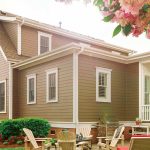
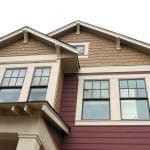
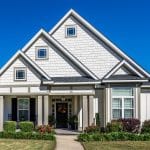
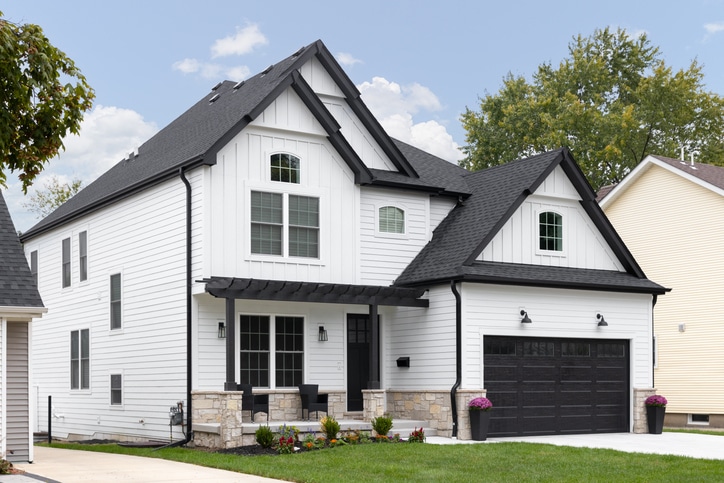
Choosing durable siding does not mean sacrificing style. James Hardie offers a wide range of profiles, textures and colors that complement Colorado architecture—from traditional mountain homes and established Denver neighborhoods to modern farmhouses and contemporary new construction.
Homeowners can choose from options such as:
- Hardie® Plank lap siding
- Hardie® Panel vertical siding
- Board-and-batten designs
- Hardie® Shingle siding
- Coordinating Hardie® Trim and soffit products
- Smooth or natural wood-look textures
ColorPlus® Technology finishes are applied and cured in a controlled factory environment. This creates a consistent finish designed for strong adhesion, color retention and UV resistance—an important benefit under Colorado’s intense sunlight.
James Hardie currently offers a transferable 30-year, non-prorated limited substrate warranty on qualifying siding products. ColorPlus Technology finishes carry a separate 15-year limited warranty. All warranties are subject to their applicable terms, product eligibility and installation requirements.
Professional Installation Matters
Even the best siding will not perform as intended if it is installed incorrectly. Proper clearances, flashing, fastening, water management and treatment around windows, doors, roofs and foundations are essential.
This becomes even more important when siding is part of a wildfire home-hardening project. Small gaps, exposed combustible materials or improperly protected transitions can create vulnerable areas in the exterior.
Working with an experienced James Hardie siding installer helps ensure the system is installed according to manufacturer guidelines and adapted to the home’s specific design. A professional can also identify related concerns involving soffits, trim, vents, decks and nearby combustible materials.
Make Your Colorado Home More Resilient
Colorado homeowners cannot eliminate wildfire risk, but they can take meaningful steps to improve their home’s ability to withstand embers, heat and severe weather.
James Hardie siding offers a powerful combination of benefits: it is noncombustible, will not add fuel to a fire, resists moisture and pests, performs in Colorado’s variable climate and delivers lasting curb appeal. When combined with a Class A roof, ember-resistant vents, defensible space and ongoing property maintenance, it can become an important part of a more resilient home.
If your current siding is aging, damaged or combustible, now is the right time to explore your options. Contact Mountain Safe Exteriors to schedule a free in-home consultation and learn how professionally installed James Hardie siding can help protect and transform your Colorado home.