


Why Choose Limewash Products?

BREATHABLE ELEGANCE
Limewash, Where Beauty Meets Breathability. Our Unique Formula Enhances Surfaces, Allowing them to Breathe Naturally, Resulting in a Stunning Aesthetic and Long-Lasting Finish.”
AGELESS AUTHENTICITY
Capture the Patina of Time with Limewash. Our Specialized Technique Creates a Distinctive, Aged Look, Adding Character and Authenticity to Your Space That Only Improves Over Time.
ECO-FRIENDLY ELEGANCE
Green Glamour for Your Walls. Limewash Offers More Than Beauty – It’s an Eco-Friendly Choice. Crafted from Natural Lime, It’s Biodegradable, Low VOC, and Harmonizes Your Space with the Environment.
BRING YOUR OLD BRICK BACK TO LIFE.
OUR ARTISANS CAN CREATE THE MOST SOPHISTICATED LOOKS FOR YOUR HOME USING VARIOUS STAINING, LIMEWASH AND SCHMEAR TECHNIQUES

Hail Resistant
Fire Resistant

Maintenance Free
Insect Resistant
Woodpecker Resistant
LIMEWASH Products
Limewash is a traditional paint technique that has been used for centuries, especially on exterior surfaces. It is made from slaked lime (calcium hydroxide), water, and natural pigments. Limewash creates a breathable finish that allows moisture to evaporate from the underlying materials, making it particularly suitable for historic or natural buildings.
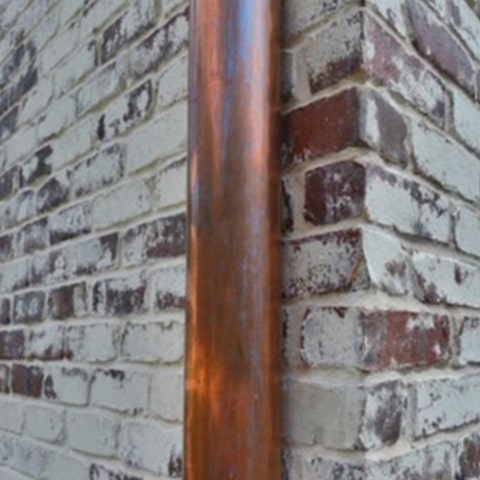


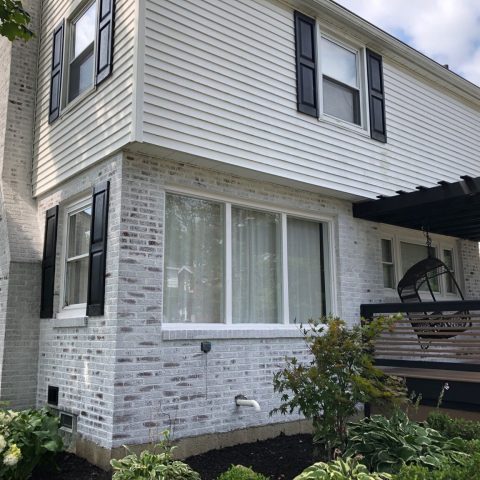
LIMEWASH
PROTECTION
Sleek And Modern Design


COMPLIMENTARY IN-HOME CONSULTATION
We offer free in-home consultations where you can see and feel the difference James Hardie materials provide, and how Mountain Safe Exteriors can make your dream home a reality.
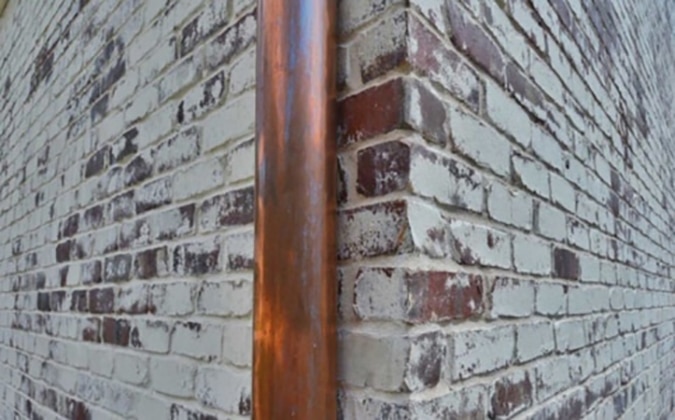
LIMEWASH
SURFACE PREPARATION
- Ensure that the surface is clean and free of dust, dirt, and loose materials.
- Repair any damaged areas and allow them to dry before applying limewash.

LIMEWASH
MIXING LIMEWASH
- Limewash is typically sold as a powder that needs to be mixed with water. Follow the manufacturer’s instructions for mixing ratios.
- Natural pigments can be added to achieve the desired color. Common pigments include earth tones such as ochre or sienna.
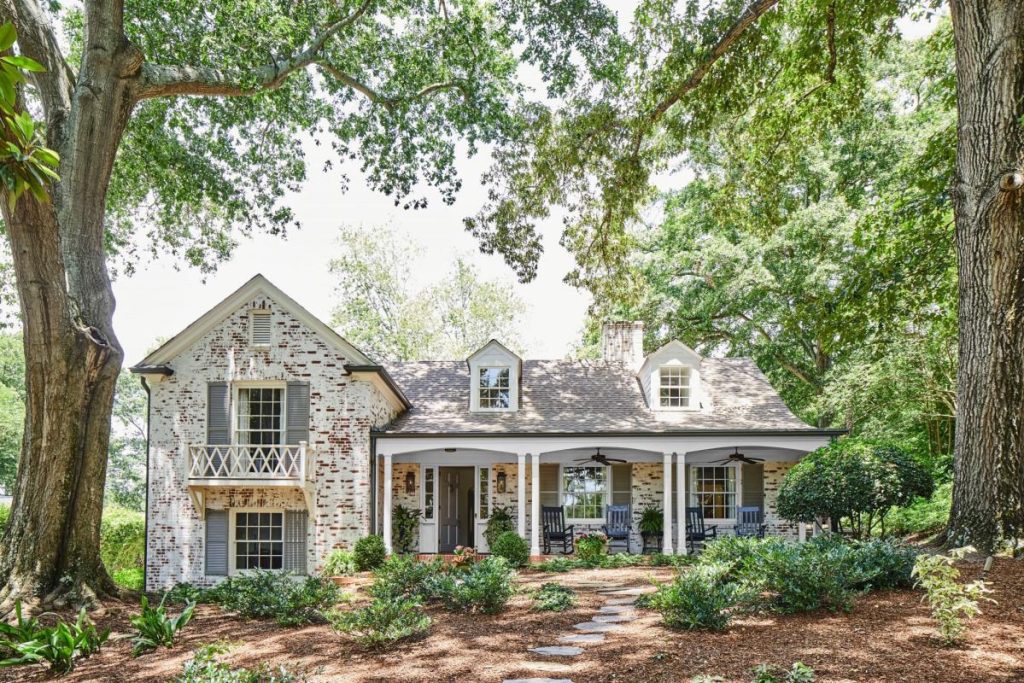
LIMEWASH
APPLICATION & DRY TIME
- Apply limewash with a brush, roller, or sprayer. A traditional brush is often used for a textured finish.
- Work in small sections to avoid drying lines, as limewash dries quickly.
- Apply two or more coats for a more durable and opaque finish.
- Limewash tends to dry quickly, but the drying time can vary based on factors such as temperature and humidity.
- Allow each coat to dry thoroughly before applying the next.
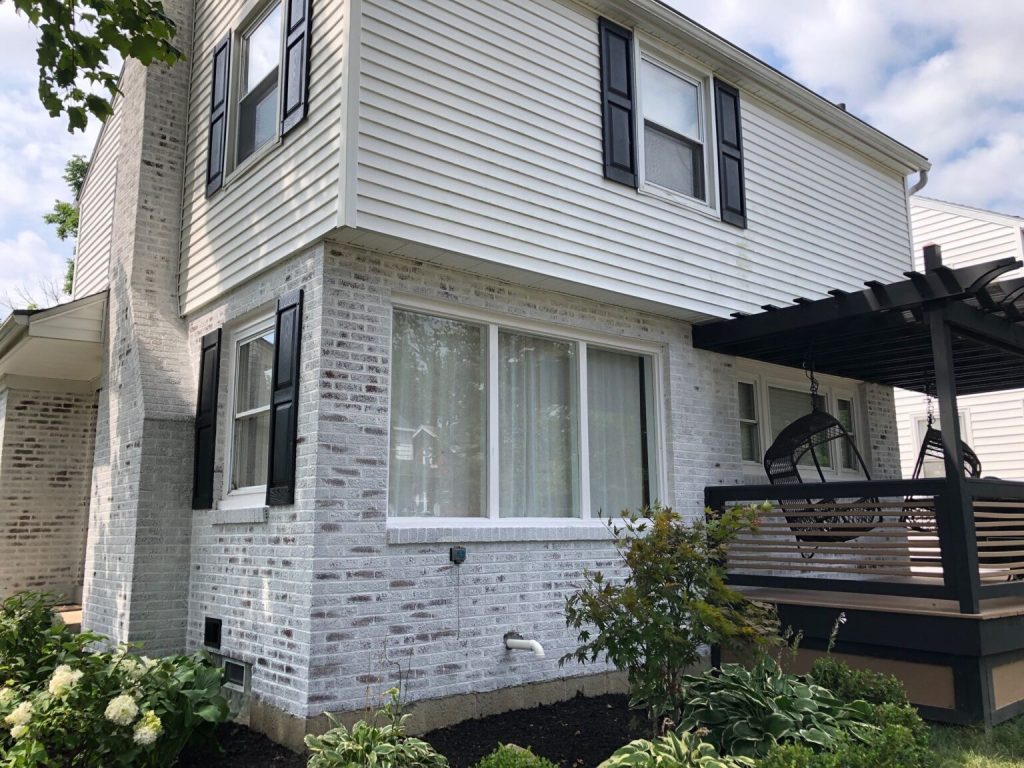
LIMEWASH
PROTECTION
- Limewash is not as durable as modern paint, so it may need to be reapplied more frequently, especially on high-traffic areas.
- Some limewashes can be sealed with a breathable sealer to improve durability.
LIMEWASH
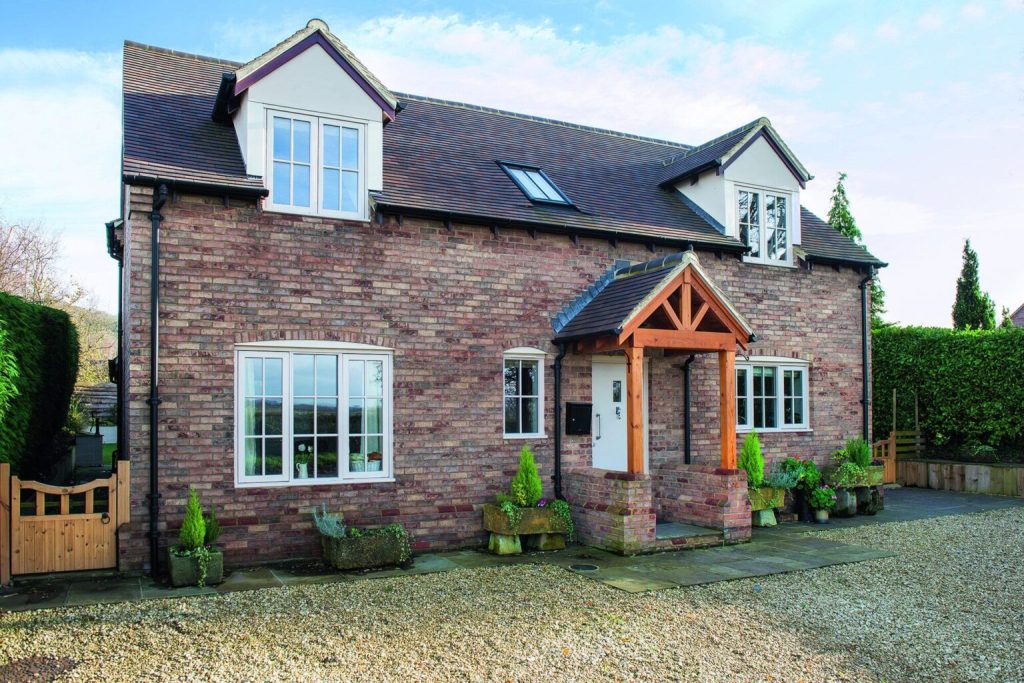
AESTHETIC CONSIDERATIONS
- Limewash creates a matte, chalky appearance. Over time, it weathers and develops a patina, which adds to its character.
- The color of limewash may lighten as it dries, so it’s advisable to do a small test section first.
LIMEWASH
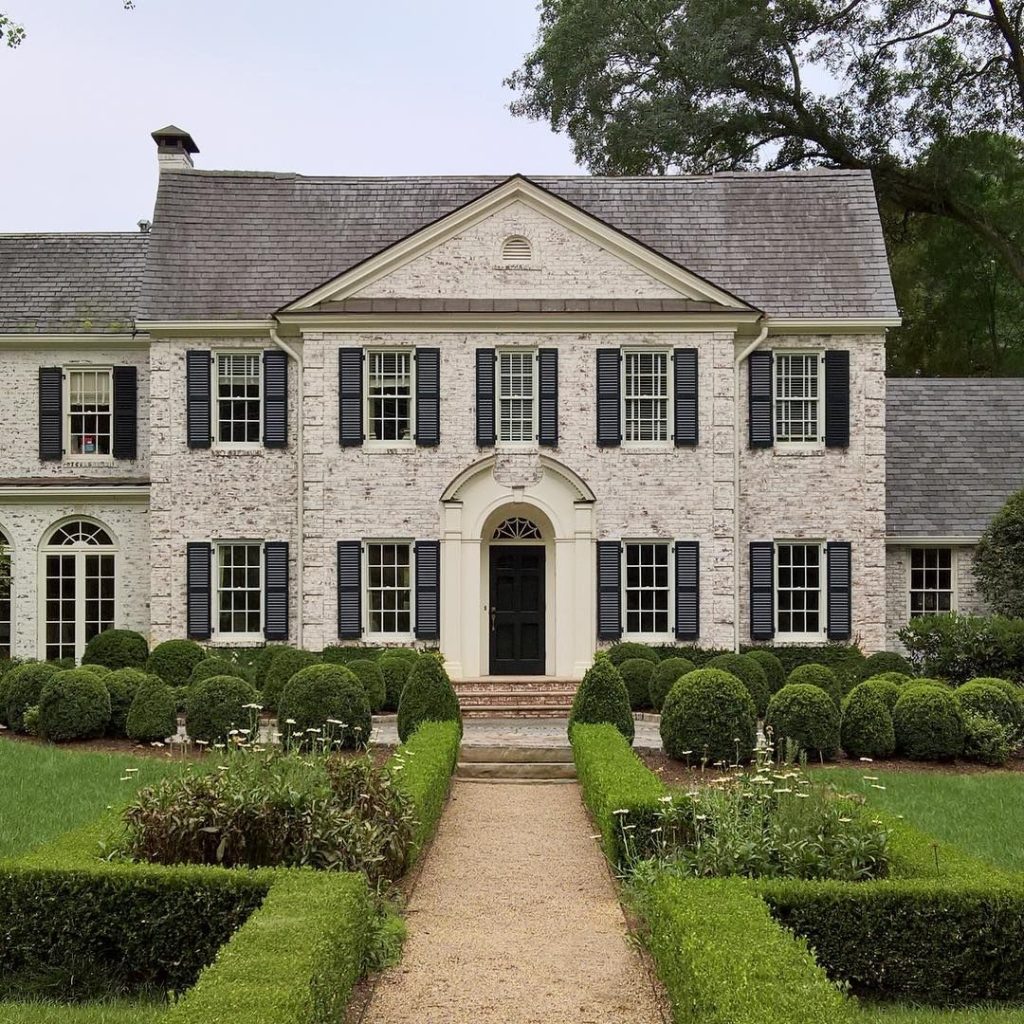
MAINTENANCE & COMPATIBILITY, AND HISTORIC BUILDINGS
- Regular maintenance may be required to keep the limewash looking fresh, especially in areas exposed to harsh weather conditions.
- Ensure that limewash is compatible with the surface material. It works well on porous materials such as brick, stone, and plaster but may not adhere properly to non-porous surfaces.
- Limewash is often used on historic buildings to maintain the traditional appearance and allow the building to breathe.
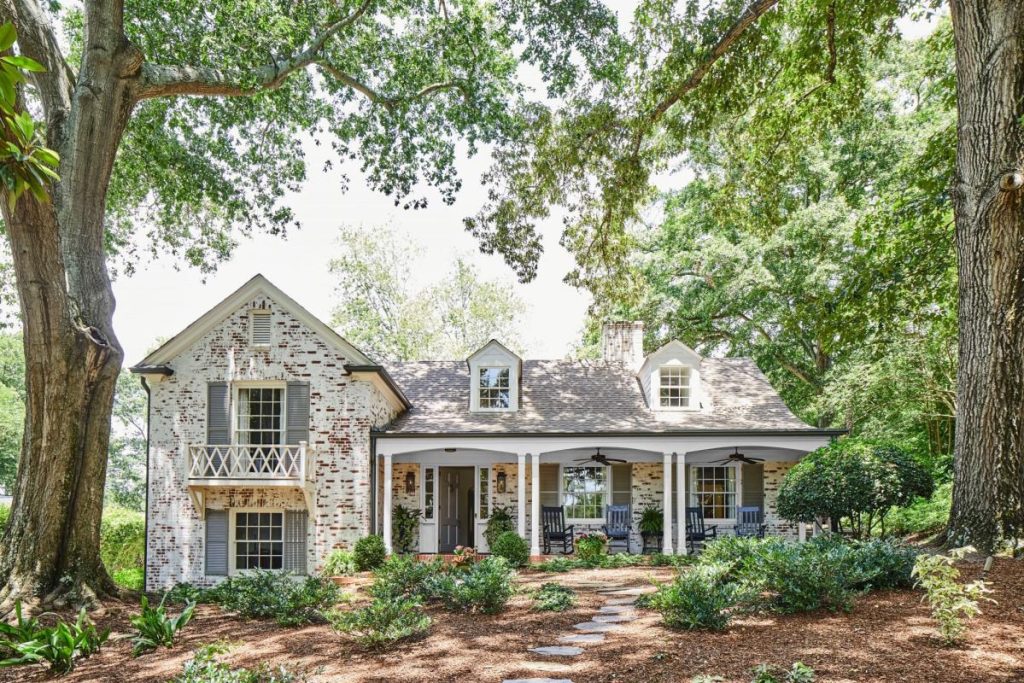
LIMEWASH Product Gallery
LIMEWASH FAQS
Limewash is a traditional paint alternative made from slaked lime, water, and natural pigments. Unlike conventional paint, limewash creates a breathable finish that allows the underlying surface to retain its natural texture.
Limewash is suitable for porous surfaces such as brick, stone, and stucco. It is ideal for historical or textured surfaces where the traditional characteristics of the material are desired.
Limewash is known for its durability, and when properly applied, it can last for many years. Maintenance is minimal, and touch-ups can be applied as needed. Over time, limewash naturally weathers and patinas, adding to its charm.
Limewash is porous, allowing for color changes if desired. However, the process involves removing the existing limewash and reapplying a new layer. It’s advisable to test a small area first to ensure compatibility and desired results.
Limewash is eco-friendly, as it is made from natural, non-toxic materials. It is applied in multiple thin layers and requires a porous surface for proper adhesion. Pre-wetting the substrate and applying limewash in favorable weather conditions are recommended for optimal results.
