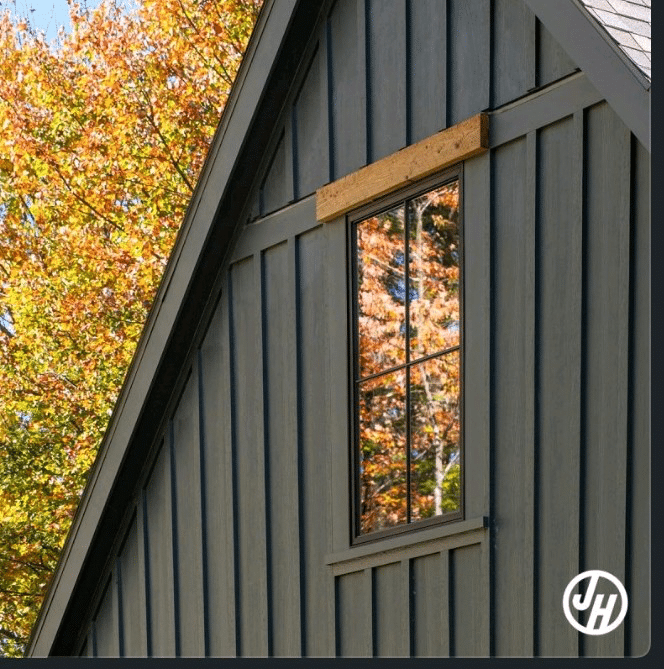
As a Colorado homeowner, ensuring that your James Hardie Siding stands the test of time is crucial. With the right maintenance routines, you can preserve its aesthetic appeal and protect your home against the elements. This guide will provide you with essential tips to maintain your siding, safeguarding your home’s exterior and enhancing its durability.
Understanding James Hardie Siding
James Hardie Siding is renowned for its durability and resilience, setting itself apart from other siding options available in the market. Made from a unique blend of cement, sand, and cellulose fibers, this siding is engineered to withstand various weather conditions, making it an excellent choice for Colorado’s diverse climate. Not only does it offer a distinct look to enhance your home’s exterior, but it also provides superior protection against moisture, harsh winds, and UV rays.
The benefits of using James Hardie Siding in Colorado’s climate are manifold. It’s specifically engineered to withstand the extreme temperature variations common in the region, including the harsh cold winters and warm summers. By choosing this type of siding, homeowners can enjoy a low-maintenance yet aesthetically pleasing facade that resists the wear and tear caused by Colorado’s weather challenges.
Proper maintenance is vital for the longevity of your James Hardie Siding. Regular upkeep not only prolongs the life of the siding but also preserves its vibrant appearance and structural integrity. As a result, you’ll ensure your home remains protected while maintaining its market value.
Essential Maintenance Tips
Regular cleaning practices are essential to keep your siding looking fresh. Use a soft brush or a gentle power wash setting to remove dirt and debris that accumulate over time, especially after a season change.
Inspecting for damage or wear is another critical aspect. Here are common signs to look for:
- Cracks or breaks in the siding panels
- Faded or peeling paint
- Any visible water stains or presence of mold
Checking caulking and sealing periodically will ensure your siding remains weather-tight. Look for gaps around windows and doors and reseal them as required to prevent water infiltration.
Painting and refinishing your siding every five to ten years is recommended. This not only refreshes its appearance but also adds an extra layer of protection against the elements, ensuring long-term durability and effectiveness.
| Maintenance Task | Frequency | Purpose |
|---|---|---|
| Cleaning | Twice a year | Remove dirt and debris |
| Inspection for Damage | Seasonally | Identify and repair cracks |
| Repainting | Every 5-10 years | Protect and refresh appearance |
Seasonal Care for James Hardie Siding
Preparing your siding for Colorado’s harsh winters is a vital task. Ensure that the caulking is intact and remove any obstructions that could trap moisture against your siding, as trapped moisture can lead to long-term damage.
Summer maintenance tips to prevent heat-related damage include placing shades or screens where direct sunlight is prolonged. Additionally, a light wash can cool down the siding surface, preventing undue expansion under intense heat.
In the fall, conduct a clean-up to tackle post-storm debris. Clear any leaves and dirt that accumulate in gutters and around the siding base to prevent water blockage issues over winter.
Springtime checks are crucial to ensure your siding is ready for the year. Examine your siding after the winter thaw for any signs of deterioration or potential impacts from the snow and ice. Regular attention in these areas will proactively prevent issues.
Long-Term Benefits of Proper Siding Care
Proper care of your James Hardie Siding significantly enhances the curb appeal and value of your home. A well-maintained exterior attracts potential buyers and increases your property’s marketability.
Energy efficiency improvements are another major benefit. By ensuring your siding is fully sealed and intact, you maintain the home’s insulation properties, reducing energy loss and potentially lowering utility costs.
Regular maintenance safeguards against costly repairs in the future. Addressing minor issues quickly prevents larger, more expensive repairs down the road, ultimately saving you time and money.
Finally, homeowners can contribute to a sustainable environment by maintaining their siding. Well-cared-for siding reduces the need for replacement, minimizing waste, and supports environmentally responsible home management practices.
Frequently Asked Questions
What materials are used to make James Hardie Siding?
James Hardie Siding is made from a unique blend of cement, sand, and cellulose fibers, designed to withstand various weather conditions.
How often should I clean my James Hardie Siding?
You should clean your James Hardie Siding at least twice a year to remove dirt and debris.
What should I look for during an inspection of my siding for damages?
During inspections, look for cracks or breaks in the siding panels, faded or peeling paint, and any visible water stains or mold.
When is it recommended to repaint James Hardie Siding?
It is recommended to repaint James Hardie Siding every 5 to 10 years to protect and refresh its appearance.
What are the seasonal maintenance tips for James Hardie Siding?
In winter, ensure caulking is intact and remove moisture traps. For summer, light washing and shading can prevent heat damage. In fall, clear debris to prevent blockage, and in spring, check for winter damage.
How does proper maintenance of James Hardie Siding enhance energy efficiency?
Proper maintenance ensures the siding is sealed and intact, preserving the home’s insulation properties, reducing energy loss, and potentially lowering utility costs.
Why is it important to address minor siding issues quickly?
Addressing minor issues quickly prevents them from becoming larger, more expensive repairs, ultimately saving time and money.
How does maintaining siding contribute to environmental sustainability?
Maintaining your siding reduces the need for replacement, minimizing waste, and supporting environmentally responsible home management practices.