Some homes instantly feel polished and intentional from the curb. Others can feel disconnected—even when individual upgrades have been made.
The difference often comes down to cohesion.
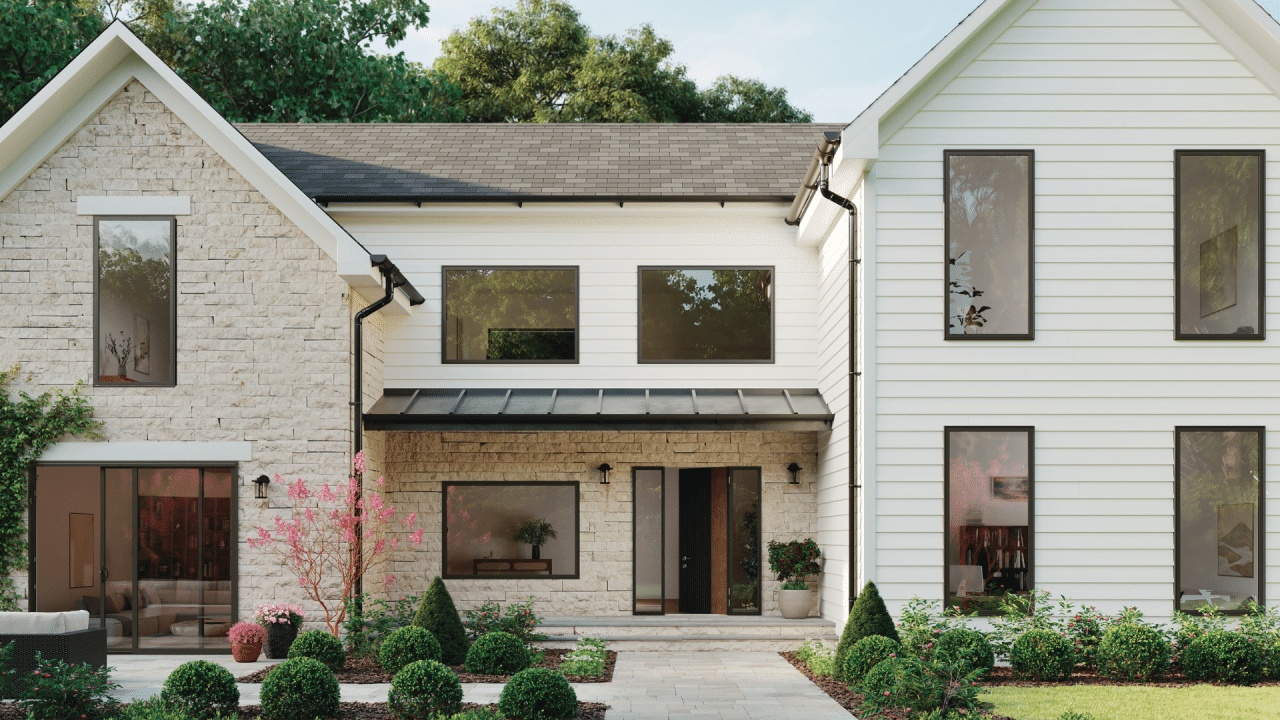
A well-designed exterior isn’t built around one feature. Instead, it comes from how windows, siding, and trim work together to create balance, proportion, and architectural consistency.
For homeowners across Denver, the Front Range, and Colorado mountain communities, creating a cohesive exterior is one of the most effective ways to improve curb appeal and elevate the overall feel of the home.
At Mountain Safe Exteriors, we help homeowners create exterior designs that feel unified—not pieced together.
Siding Creates the Foundation
Siding is typically the largest visual surface of the home, which makes it the starting point for exterior design.
The siding establishes:
- Overall style
- Texture and depth
- Primary color direction
- Architectural identity
Whether your goal is modern, traditional, mountain-inspired, or transitional, siding sets the tone for everything around it.
Products like James Hardie® fiber cement siding are often selected because they offer flexibility in profile, finish, and color while delivering long-term durability in Colorado’s climate.
Windows Provide Structure and Balance
Windows do more than bring in natural light—they shape how the exterior feels.
Window placement, proportion, and frame design all influence visual balance.
Well-designed homes often use:
- Consistent spacing and alignment
- Coordinated frame colors
- Window sizes that support architectural scale
- Intentional groupings for visual rhythm
Premium window systems such as Marvin Windows allow homeowners to create a more refined appearance through slimmer sightlines, design flexibility, and cohesive styling.
When windows are thoughtfully selected, they become an architectural feature—not just a functional necessity.
Trim Is What Pulls Everything Together
Trim may seem like a smaller detail, but it often has one of the biggest impacts.
Trim helps define:
- Window openings
- Material transitions
- Roofline edges
- Exterior contrast
Without intentional trim design, even premium materials can feel disconnected.
Trim should complement both the siding and window style while creating enough contrast to add structure and visual definition.
Color Coordination Creates a Finished Look
One of the most common design mistakes is selecting materials independently rather than as a complete system.
A cohesive exterior usually includes:
- One dominant siding color
- Supporting trim colors
- Window finishes that coordinate with both
The objective is not perfect matching—it’s balance.
This creates a cleaner, more custom appearance that improves curb appeal and helps the home feel architecturally complete.
Design for Colorado Conditions
Exterior cohesion also needs to perform.
Homes throughout Denver, the Front Range, and mountain communities experience changing sunlight, snow, and seasonal weather patterns that affect how colors and materials age over time.
Choosing durable exterior systems helps maintain both performance and appearance year after year.
Create an Exterior That Feels Intentional
The most memorable homes are rarely the most complicated—they’re the most cohesive.
When siding, windows, and trim are designed together, the result is a home that feels more polished, higher-end, and connected.
At Mountain Safe Exteriors, we help Colorado homeowners create exterior designs that combine performance, curb appeal, and long-term value. Schedule your free in-home consultation and let our team help bring your vision for your home to life.