For Colorado homeowners seeking sophisticated styling coupled with longevity, James Hardie siding is a prime choice. Discover how this premium siding not only enhances your home’s curb appeal but also strengthens its structural resilience.
Understanding the Unique Features of James Hardie Siding
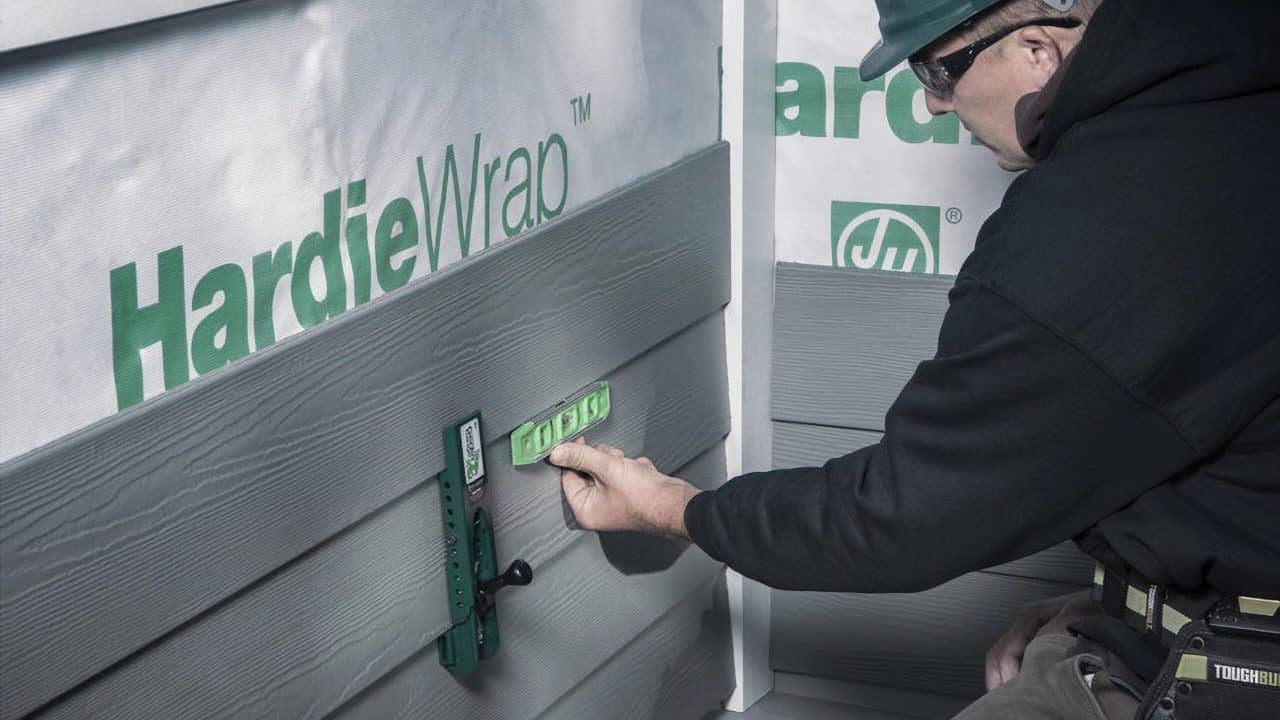
James Hardie siding is made from a unique fiber cement composition that combines sand, cement, and cellulose fibers, creating a material that’s both strong and resistant to wear. This composition provides superior durability, which is ideal for Colorado’s varied climate—ranging from hot summers to icy winters. The resilience of James Hardie siding to moisture, wind, and temperature fluctuations ensures that it stands firm against seasonal challenges, minimizing damage and maintenance needs.
One of the standout features is its exceptional fire resistance compared to other siding materials. James Hardie products are non-combustible and provide a significant protective advantage over traditional wood siding, contributing to a safer home environment.
Besides being robust, James Hardie siding is also renowned for its low maintenance requirements, providing peace of mind for homeowners who want to avoid the frequent repairs associated with other materials. This ease of maintenance ensures your home maintains its stunning appearance without extensive upkeep.
The Aesthetic Appeal That Transforms Homes
The aesthetic versatility of James Hardie siding is unparalleled, offering a wide range of color and design options that suit any style of home, particularly in Colorado. From classic and timeless hues to bold and modern shades, there’s a selection to enhance any architectural design. This siding boosts your property’s value and curb appeal significantly, making it an investment with substantial returns.
Customization possibilities with James Hardie siding allow homeowners to align their choices with distinct architectural styles prevalent in Colorado. Popular styles include:
- Craftsman
- Ranch
- Modern Tuscan
- Victorian
These stylistic options help transform your home’s exterior appearance, resulting in stunning and long-lasting beauty. Successful transformations are not just about aesthetics but also involve enhancing the confidence and satisfaction homeowners feel with their exterior renovations.
To further illustrate the impact of aesthetic choices, here’s a table showcasing popular James Hardie color options along with their associated architectural styles and benefits:
| Color Option | Style Suitability | Key Benefit |
|---|---|---|
| Mountain Sage | Craftsman, Ranch | Blends with natural landscapes |
| Navajo Beige | Modern Tuscan, Victorian | Classic elegance |
| Boothbay Blue | Cape Cod, Contemporary | Bold character |
Enhancing Home Protection and Efficiency
James Hardie siding excels in protecting homes against harsh weather conditions, a feature essential for Coloradans. It keeps out pests and is designed to withstand the demanding environment, ensuring long-term integrity of your home. Furthermore, the product’s design helps contribute to energy efficiency, reducing heating and cooling costs by providing additional insulation.
Sustainability is another cornerstone of James Hardie siding. The materials used are environmentally friendly, giving homeowners confidence in contributing to environmentally conscious living. By choosing sustainable options, you’re not only enhancing your home but also aligning with a green lifestyle.
Investing in James Hardie siding leads to substantial long-term financial savings. Key areas where homeowners can save include:
- Reduced maintenance and repair costs
- Lower energy bills with better insulation
- Increased home value on resale
Choosing James Hardie Siding in Colorado
James Hardie is a top choice for Colorado residents due to its adaptability to different climates and its striking aesthetic appeal. When selecting installation services, it’s crucial to choose a reliable and experienced contractor. Look for credentials, reviews, and past work examples to ensure quality installation.
Preparation is key for a smooth renovation process. Homeowners should expect a timeline of a few weeks from consultation to completion, with preliminary steps including site assessment, measurement, and design selection.
When consulting with siding professionals, ask insightful questions such as:
- What are the installation timelines?
- Do you offer a warranty on materials and labor?
- Can I view previous completed projects?
- How do you handle unforeseen issues during installation?
By covering these bases, you can ensure a successful siding project that meets both your aesthetic and functional requirements.
Frequently Asked Questions
What materials are used to make James Hardie siding?
James Hardie siding is made from a unique fiber cement composition that combines sand, cement, and cellulose fibers.
What are the advantages of James Hardie siding in terms of durability?
James Hardie siding offers superior durability, being resistant to moisture, wind, and temperature fluctuations, making it ideal for varied climates.
How does James Hardie siding contribute to energy efficiency?
James Hardie siding enhances energy efficiency by providing additional insulation, helping to reduce heating and cooling costs.
What kind of maintenance is required for James Hardie siding?
James Hardie siding is known for its low maintenance requirements, minimizing the need for frequent repairs and helping maintain a stunning appearance with ease.
How does James Hardie siding enhance home safety?
The siding is non-combustible and offers exceptional fire resistance, providing a safer home environment compared to traditional wood siding.
What customization options are available with James Hardie siding?
James Hardie siding offers a wide range of color and design options, allowing customization to suit diverse architectural styles such as Craftsman, Ranch, Modern Tuscan, and Victorian.
What should homeowners consider when selecting a contractor for James Hardie siding installation?
Homeowners should look for a reliable and experienced contractor, checking credentials, reviews, and past project examples to ensure quality installation.